
Your vehicle’s braking system is one of the most critical components for safety, and brake rotors play a major role in ensuring smooth and effective stopping. Over time, these components wear down due to heat, friction, and regular use. Understanding when and why to replace them can help you avoid costly repairs and dangerous driving conditions.
If you’ve been searching for reliable information about brake rotor replacement, this guide will walk you through everything you need to know—from warning signs to benefits and maintenance tips.
What Are Brake Rotors?
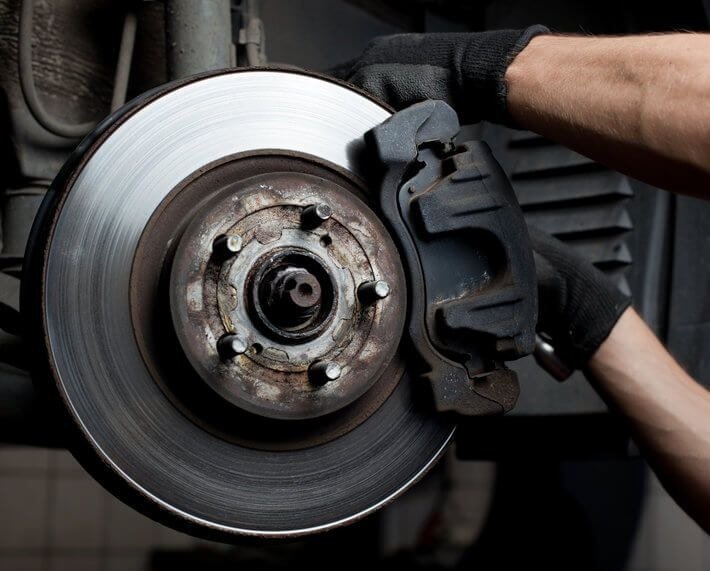
Brake rotors, also known as brake discs, are flat metal discs attached to each wheel. When you press the brake pedal, brake pads clamp onto the rotors, creating friction that slows down or stops your vehicle.
Because they endure intense heat and pressure, rotors gradually wear out and require maintenance or replacement to maintain optimal performance.
Why Brake Rotor Replacement Is Important
Replacing worn rotors is essential for maintaining vehicle safety and performance.
Improved Stopping Power
Worn or warped rotors reduce braking efficiency, increasing stopping distance.
Enhanced Safety
A properly functioning braking system helps prevent accidents and ensures better control of your vehicle.
Reduced Noise and Vibration
Damaged rotors often cause squealing or grinding noises, as well as vibrations in the steering wheel.
Protects Other Components
Replacing rotors on time prevents excessive wear on brake pads and other parts.
Signs You Need Brake Rotor Replacement
Recognizing early warning signs can save you time and money.
Vibrations While Braking
If you feel a pulsing sensation in the brake pedal, it could indicate warped rotors.
Squealing or Grinding Sounds
Unusual noises often signal worn or damaged components.
Visible Grooves or Scoring
Deep grooves on the rotor surface indicate excessive wear.
Increased Stopping Distance
If your vehicle takes longer to stop, it’s time for an inspection.
Dashboard Warning Lights
Modern vehicles may alert you to brake system issues.
How Often Should You Replace Brake Rotors?
The lifespan of rotors depends on driving habits, vehicle type, and road conditions.
On average, rotors last between 30,000 and 70,000 miles. However, aggressive braking, heavy loads, and city driving can shorten their lifespan.
Regular inspections help determine the right time for replacement.
Brake Rotor Replacement vs Resurfacing
Replacement
Involves installing new rotors when the old ones are too worn or damaged.
Resurfacing
Involves smoothing out minor imperfections on the rotor surface.
While resurfacing can extend the life of rotors, it’s not always possible if they are too thin or severely damaged.
The Brake Rotor Replacement Process
Inspection
A technician checks the condition of rotors, pads, and other components.
Removal
The wheel and old rotor are removed carefully.
Installation
New rotors are installed along with compatible brake pads if needed.
Testing
The braking system is tested to ensure proper performance.
This process ensures your vehicle is safe and ready for the road.
Benefits of Professional Brake Services
Expertise and Precision
Professionals have the knowledge to perform accurate installations.
Proper Tools and Equipment
Specialized tools ensure the job is done efficiently.
Time-Saving
Professional services complete the job quickly and correctly.
Warranty and Assurance
Many services offer warranties for added peace of mind.
Cost of Brake Rotor Replacement
The cost varies depending on several factors:
- Vehicle make and model
- Type of rotors used
- Labor costs
- Additional repairs needed
While it may seem like a significant expense, timely replacement prevents more costly damage in the future.
Tips to Extend the Life of Your Brake Rotors
- Avoid aggressive braking
- Maintain proper brake pad condition
- Keep your braking system clean
- Schedule regular inspections
- Drive cautiously in heavy traffic
These simple steps can help prolong the lifespan of your rotors and improve overall vehicle performance.
Mobile Mechanic Services: Convenience at Your Doorstep
One of the biggest advantages of modern auto repair services is the availability of mobile mechanics.
Instead of taking your car to a shop, professionals come to your location to perform repairs. This saves time and eliminates the hassle of towing or waiting at a repair center.
Mobile services are especially beneficial for busy individuals or those dealing with unexpected vehicle issues.
Common Mistakes to Avoid
Ignoring Warning Signs
Delaying repairs can lead to more severe damage.
Choosing Cheap Parts
Low-quality components may wear out quickly.
Skipping Regular Maintenance
Routine inspections help identify issues early.
DIY Without Experience
Improper installation can compromise safety.
Why Timely Brake Maintenance Matters
Your braking system is directly linked to your safety on the road. Regular maintenance and timely replacement of worn components ensure your vehicle performs at its best.
By staying proactive, you can avoid emergencies and enjoy a smoother, safer driving experience.
Frequently Asked Questions (FAQs)
1. How do I know if my brake rotors need replacing?
Look for signs like vibrations, noise, visible damage, and reduced braking performance.
2. Can I replace brake rotors myself?
While possible, it’s recommended to hire professionals for safety and proper installation.
3. How long does brake rotor replacement take?
Typically, it takes 1–2 hours depending on the vehicle and condition.
4. Should I replace brake pads with rotors?
Yes, replacing both together ensures optimal performance and longevity.
5. Are mobile mechanic services reliable?
Yes, they provide convenient and professional repairs at your location.
Conclusion
Brake rotor replacement is a crucial aspect of vehicle maintenance that directly impacts your safety and driving experience. Recognizing the signs of wear, understanding the process, and choosing professional services can help you maintain a reliable braking system.
For convenient and expert automotive care, Roberts Mobile Mechanics offers dependable brake services that keep your vehicle running safely and efficiently.