
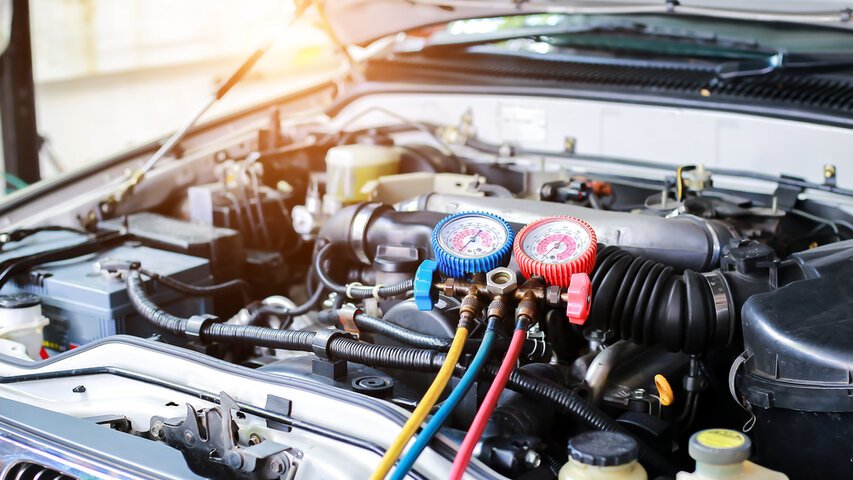
Your vehicle’s cooling system plays a critical role in maintaining engine performance and preventing costly damage. While many drivers focus on oil changes and tire maintenance, the cooling system often goes unnoticed until a serious problem occurs. An overheating engine can leave you stranded on the roadside and potentially lead to expensive repairs that could have been avoided with timely maintenance.
Whether you’re commuting daily, taking long road trips, or using your vehicle for work, understanding how the cooling system functions can help you identify problems early. Knowing the warning signs of failure and seeking professional cooling system repair when necessary can extend the life of your engine and improve overall vehicle reliability.
In this comprehensive guide, we’ll explore how cooling systems work, common causes of overheating, signs of trouble, repair solutions, and preventive maintenance tips.
What Is a Vehicle Cooling System?
The cooling system is designed to regulate engine temperature. During operation, an engine generates tremendous heat through combustion. Without proper temperature control, internal components could warp, crack, or fail completely.
The cooling system circulates coolant through the engine and radiator, removing excess heat and maintaining an optimal operating temperature.
Major components include:
- Radiator
- Water pump
- Thermostat
- Cooling fans
- Hoses
- Coolant reservoir
- Temperature sensors
Each component works together to ensure efficient heat dissipation.
Why Cooling System Maintenance Is Important
Maintaining proper engine temperature is essential for:
Engine Protection
Excessive heat can damage cylinder heads, gaskets, pistons, and other critical components.
Better Fuel Efficiency
Engines operate most efficiently within a specific temperature range.
Reduced Repair Costs
Addressing minor cooling issues early can prevent expensive engine repairs later.
Improved Vehicle Reliability
A properly functioning system reduces the risk of unexpected breakdowns.
Extended Engine Life
Consistent temperature control minimizes wear and prolongs engine longevity.
Common Causes of Engine Overheating
Understanding what causes overheating can help drivers take corrective action before significant damage occurs.
Low Coolant Levels
Coolant absorbs and transfers heat away from the engine.
When coolant levels drop due to leaks or evaporation, the system cannot regulate temperature effectively.
Common signs include:
- Rising temperature gauge
- Steam from under the hood
- Coolant warning lights
Radiator Leaks
The radiator is responsible for releasing heat from the coolant.
Cracks, corrosion, or damaged connections can allow coolant to escape, reducing cooling efficiency.
Faulty Thermostat
The thermostat controls coolant flow between the engine and radiator.
A stuck thermostat may prevent coolant circulation, causing rapid overheating.
Symptoms often include:
- Sudden temperature spikes
- Inconsistent heater performance
- Coolant overflow
Water Pump Failure
The water pump circulates coolant throughout the engine.
When it fails, coolant movement stops, causing temperatures to rise quickly.
Signs of water pump issues include:
- Coolant leaks
- Grinding noises
- Overheating during driving
Damaged Cooling Fans
Cooling fans help regulate temperature, especially when driving at low speeds or sitting in traffic.
A malfunctioning fan can significantly reduce airflow through the radiator.
Blocked Radiator
Over time, dirt, rust, and debris can restrict coolant flow.
This reduces the radiator’s ability to dissipate heat effectively.
Warning Signs You Need Cooling System Repair
Early detection is the key to avoiding major engine damage.
Watch for these common symptoms:
Rising Temperature Gauge
A temperature gauge consistently above normal operating levels is often the first indication of a problem.
Steam from the Hood
Visible steam usually indicates coolant is boiling due to excessive heat.
Sweet Smell Inside or Outside the Vehicle
Coolant has a distinct sweet odor. A noticeable smell may indicate a leak.
Coolant Puddles
Bright green, orange, pink, or yellow fluid under the vehicle often signals a cooling system leak.
Poor Heater Performance
If the cabin heater stops producing warm air, coolant circulation issues may be present.
Dashboard Warning Lights
Many modern vehicles display temperature or coolant warnings when a problem is detected.
What Happens During a Cooling System Inspection?
Professional technicians perform a thorough evaluation to identify the root cause of overheating.
Visual Inspection
The mechanic checks:
- Hoses
- Clamps
- Radiator condition
- Coolant levels
- Water pump operation
Pressure Testing
Pressure tests help identify hidden leaks that may not be visible during a visual inspection.
Thermostat Testing
The thermostat is evaluated to ensure it opens and closes properly.
Coolant Condition Analysis
Old or contaminated coolant can reduce system performance and cause internal corrosion.
Fan Operation Check
Technicians verify that cooling fans activate correctly under operating temperatures.
Common Cooling System Repairs
Depending on the diagnosis, repairs may include:
Radiator Repair or Replacement
Damaged radiators may require sealing, repair, or complete replacement.
Coolant Leak Repair
Leaks can occur in hoses, fittings, reservoirs, or engine components.
Water Pump Replacement
A failing pump is replaced to restore proper coolant circulation.
Thermostat Replacement
Installing a new thermostat ensures accurate temperature regulation.
Cooling Fan Repair
Electrical or mechanical issues affecting fan operation are corrected.
Coolant Flush Service
A coolant flush removes contaminants and replenishes the system with fresh coolant.
Benefits of Mobile Cooling System Repair
Vehicle owners increasingly prefer mobile mechanic services because of the convenience they offer.
On-Site Service
Repairs can be completed at your home, office, or roadside location.
Reduced Downtime
There’s no need to arrange towing or spend hours waiting at a repair shop.
Fast Diagnosis
Mobile mechanics bring professional tools and expertise directly to your vehicle.
Cost Savings
Avoiding towing fees and catching issues early can reduce overall repair expenses.
Convenient Scheduling
Appointments can often be arranged around your schedule.
How to Prevent Cooling System Problems
Preventive maintenance is the most effective way to avoid overheating issues.
Check Coolant Levels Regularly
Inspect coolant levels monthly and top off when necessary.
Follow Coolant Replacement Schedules
Manufacturers recommend replacing coolant at specific intervals.
Inspect Hoses and Belts
Look for cracks, swelling, or leaks.
Monitor Engine Temperature
Pay attention to dashboard gauges and warning lights.
Schedule Routine Inspections
Professional inspections help identify wear before major failures occur.
When Should You Seek Immediate Repairs?
Certain symptoms require prompt attention:
- Temperature gauge entering the red zone
- Steam coming from under the hood
- Repeated coolant loss
- Persistent overheating
- Coolant mixing with engine oil
Continuing to drive under these conditions can result in catastrophic engine damage.
Final Thoughts
Your vehicle’s cooling system is essential for protecting the engine from excessive heat and maintaining reliable performance. Ignoring warning signs can lead to expensive repairs, unexpected breakdowns, and reduced vehicle lifespan.
Regular maintenance, timely inspections, and professional repairs can help ensure your cooling system operates efficiently year-round. When overheating issues arise, quick diagnosis and repair are critical for preventing long-term damage.
For convenient, professional automotive service at your location, Roberts Mobile Mechanics provides dependable cooling system repair solutions designed to keep your vehicle running safely and efficiently.
Frequently Asked Questions
1. What causes an engine to overheat?
Low coolant levels, radiator problems, thermostat failure, water pump issues, or cooling fan malfunctions are common causes.
2. Can I drive a vehicle that is overheating?
No. Driving with an overheating engine can cause severe damage and should be avoided whenever possible.
3. How often should coolant be replaced?
Most manufacturers recommend replacing coolant every 30,000 to 100,000 miles, depending on the vehicle.
4. What are signs of a coolant leak?
Coolant puddles, a sweet smell, low coolant levels, and frequent overheating are common indicators.
5. Is cooling system repair expensive?
Costs vary depending on the issue. Early diagnosis and maintenance are typically much less expensive than major engine repairs.