
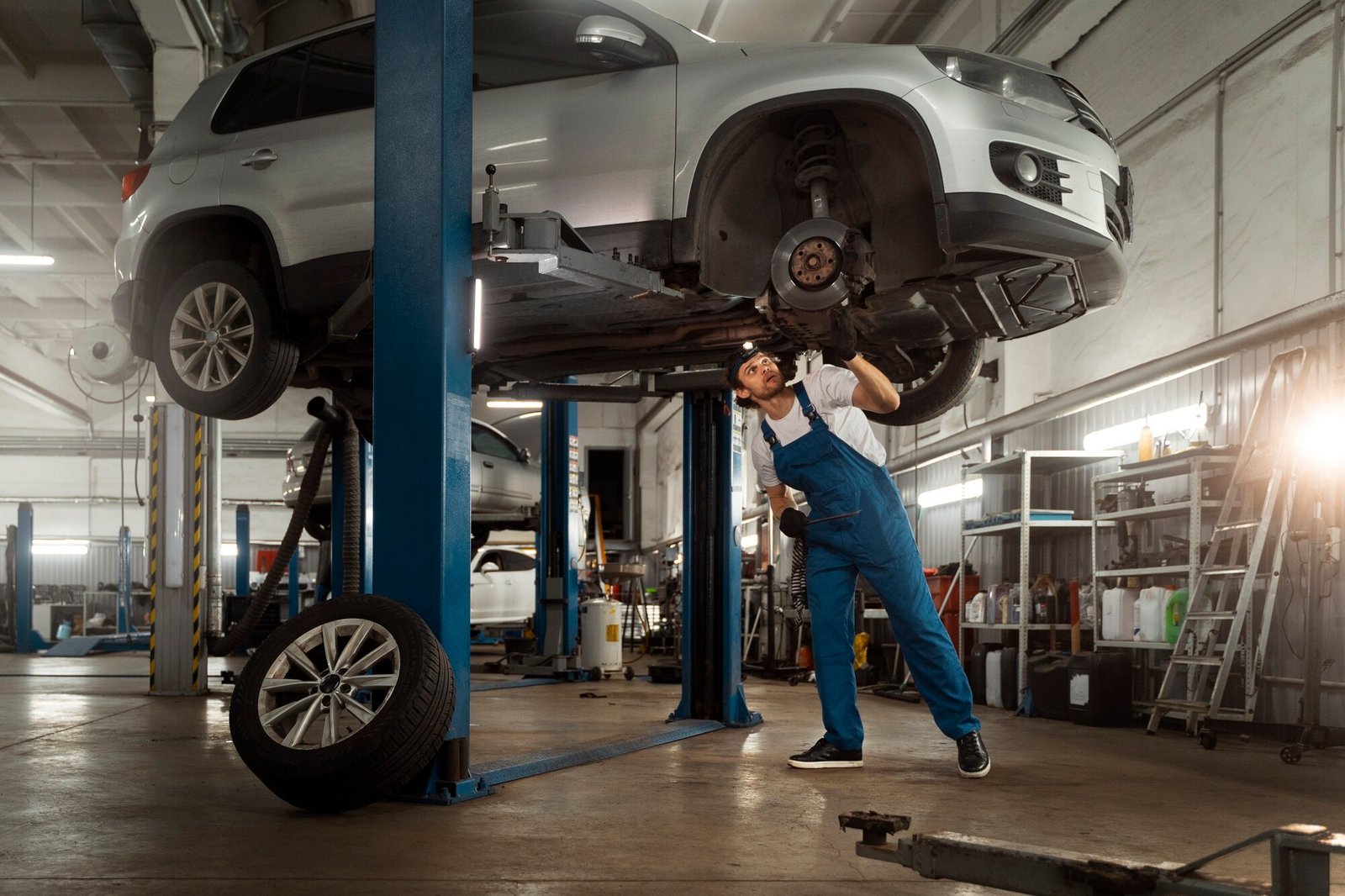
Your vehicle’s suspension system plays a crucial role in ensuring a smooth, stable, and safe driving experience—especially on busy and uneven roads like those in Nashville, TN. From potholes and rough surfaces to sudden braking and sharp turns, your suspension absorbs shocks and keeps your car under control.
When your suspension system starts to fail, it not only affects comfort but also puts your safety at risk. That’s why timely suspension repair services are essential. In this blog, we’ll explore the importance of suspension maintenance, common warning signs, and why expert repair services are the best choice for Nashville drivers.
What Is a Suspension System?
The suspension system is a network of components that connect your vehicle to its wheels. It includes shocks, struts, springs, control arms, and linkages. Together, these parts work to absorb road impact, maintain tire contact with the road, and provide steering stability.
A properly functioning suspension system ensures:
Better handling and control
Improved ride comfort
Enhanced braking performance
Increased vehicle safety
Why Suspension Repair Is Important
Driving with a worn or damaged suspension system can lead to several issues, including poor handling, uneven tire wear, and longer stopping distances. On Nashville’s roads—where traffic, weather, and road conditions can vary—this can be especially dangerous.
Timely suspension repair helps:
Maintain vehicle stability
Prevent accidents caused by poor control
Extend the lifespan of tires and other components
Improve overall driving performance
Common Signs Your Suspension Needs Repair
Recognizing early warning signs can help you avoid costly repairs and dangerous driving conditions.
1. Bumpy or Rough Ride
If you feel every bump in the road, your shocks or struts may be worn out. A smooth ride turning into a rough one is a clear indicator of suspension issues.
2. Vehicle Pulling to One Side
When your car drifts or pulls while driving, it could be due to uneven suspension or alignment problems.
3. Uneven Tire Wear
Suspension problems often cause tires to wear unevenly, reducing their lifespan and affecting traction.
4. Nose Diving When Braking
If the front of your vehicle dips forward when you brake, it’s a sign that your suspension system is not absorbing force properly.
5. Difficulty Steering
A stiff or loose steering wheel can indicate suspension or steering component issues that need immediate attention.
6. Clunking or Knocking Sounds
Unusual noises when driving over bumps may point to worn or damaged suspension parts.
Key Suspension Components That May Need Repair
Understanding the main components can help you identify potential issues.
Shocks and Struts
These control the movement of your vehicle and absorb shocks from the road. Worn shocks can lead to poor handling and reduced comfort.
Springs
Springs support the vehicle’s weight and help maintain proper ride height. Damaged springs can cause sagging or instability.
Control Arms
Control arms connect the wheels to the frame and allow for smooth movement. Worn bushings or joints can affect steering and alignment.
Ball Joints
These act as pivot points for the suspension. Worn ball joints can lead to dangerous handling issues.
Tie Rods
Tie rods connect the steering system to the wheels. Damage can result in poor steering response.
Benefits of Professional Suspension Repair Services
Choosing expert suspension repair services ensures your vehicle is handled by trained professionals using the right tools and techniques.
Accurate Diagnosis
Professionals can quickly identify the root cause of the problem, preventing unnecessary repairs.
Quality Repairs
Expert technicians use high-quality parts that improve durability and performance.
Enhanced Safety
Properly repaired suspension systems ensure better control and reduce the risk of accidents.
Long-Term Savings
Timely repairs prevent further damage to other components, saving you money in the long run.
Why Nashville Drivers Need Reliable Suspension Services
Nashville’s roads can be challenging due to traffic congestion, construction zones, and varying weather conditions. These factors put extra stress on your vehicle’s suspension system.
Reliable repair services help:
Handle rough road conditions effectively
Maintain stability in heavy traffic
Ensure safe driving during rain or uneven terrain
How Often Should You Check Your Suspension?
Regular inspections are key to maintaining your suspension system.
Experts recommend:
Checking suspension every 12,000–15,000 miles
Inspecting after hitting potholes or curbs
Scheduling routine maintenance checks
Staying proactive can prevent major issues and keep your vehicle running smoothly.
Tips to Maintain Your Suspension System
Proper care can extend the life of your suspension components.
Avoid driving over potholes at high speed
Keep tires properly inflated
Rotate tires regularly
Schedule periodic inspections
Address minor issues before they worsen
When Should You Seek Immediate Repair?
You should seek professional help immediately if you notice:
Severe bouncing after hitting bumps
Loss of control while turning
Loud clunking noises
Significant changes in ride height
Ignoring these signs can compromise your safety and lead to expensive repairs.
Conclusion
Your suspension system is essential for a safe and comfortable driving experience. From absorbing shocks to maintaining control on Nashville’s roads, it plays a vital role in your vehicle’s performance.
If you notice any warning signs, don’t delay repairs. Professional suspension repair services ensure your car remains stable, efficient, and safe. For dependable service and expert care, trust Roberts Mobile Mechanics to keep your vehicle in top condition and ready for every journey.
FAQs
1. How do I know if my suspension needs repair?
Signs include a rough ride, uneven tire wear, pulling to one side, and unusual noises when driving.
2. How long do suspension components last?
Most suspension parts last between 50,000 to 100,000 miles, depending on driving conditions and maintenance.
3. Is it safe to drive with a bad suspension?
No, it can reduce control, increase stopping distance, and raise the risk of accidents.
4. How much does suspension repair cost?
Costs vary depending on the issue, but early repairs are generally more affordable than major replacements.
5. Can suspension problems affect fuel efficiency?
Yes, poor suspension can cause uneven tire wear and increased resistance, reducing fuel efficiency.