
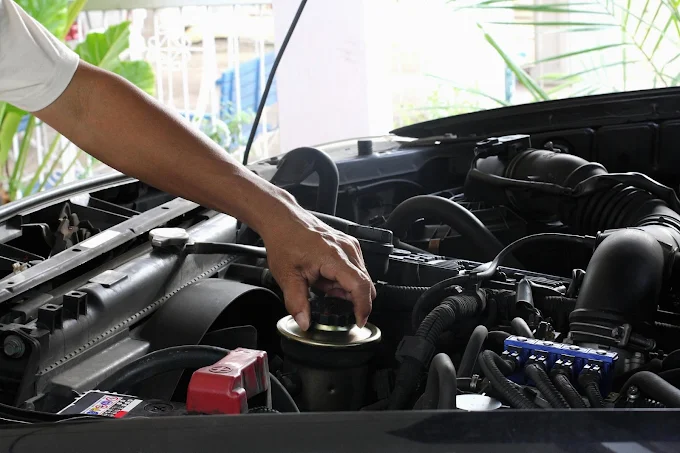
Your vehicle’s fuel system plays a crucial role in keeping your engine running smoothly, and at the heart of that system is the fuel pump. When it begins to fail, your car’s performance can quickly decline, leading to breakdowns and costly repairs.
Understanding the importance of fuel pump replacement and recognizing early warning signs can save you time, money, and stress. Whether you’re dealing with engine trouble or planning preventive maintenance, this guide covers everything you need to know.
What Does a Fuel Pump Do?
The fuel pump is responsible for delivering fuel from the gas tank to the engine at the correct pressure. This ensures proper combustion and efficient engine performance.
Modern vehicles rely on electric fuel pumps that maintain consistent pressure. When the pump fails, the engine may not receive enough fuel, causing performance issues or preventing the car from starting altogether.
Common Signs of a Failing Fuel Pump
Recognizing early symptoms can help you avoid being stranded on the road.
Engine Sputtering at High Speeds
If your vehicle struggles or sputters while driving at high speeds, it may indicate inconsistent fuel flow.
Difficulty Starting the Car
A failing pump may not supply enough fuel to start the engine, leading to repeated ignition attempts.
Loss of Power
You may notice reduced acceleration, especially when driving uphill or carrying heavy loads.
Sudden Stalling
Unexpected stalling can occur if the pump cannot maintain proper fuel pressure.
Unusual Noises
A whining sound coming from the fuel tank is often a sign of pump wear or damage.
Causes of Fuel Pump Failure
Several factors can contribute to pump failure:
- Contaminated fuel
- Running on a low fuel level frequently
- Electrical issues
- Wear and tear over time
- Clogged fuel filters
Understanding these causes can help you prevent future problems.
The Fuel Pump Replacement Process
Replacing a fuel pump involves several steps and requires technical expertise.
Diagnosis
A mechanic inspects the fuel system to confirm the issue.
Accessing the Pump
The pump is typically located inside the fuel tank, requiring careful removal.
Removing the Old Pump
The faulty unit is disconnected and removed.
Installing the New Pump
A new pump is installed and properly connected.
Testing
The system is tested to ensure proper fuel flow and pressure.
Professional service ensures the job is done safely and efficiently.
Cost of Fuel Pump Replacement
The cost of replacement varies depending on several factors:
- Vehicle make and model
- Type of fuel pump
- Labor costs
- Location of the pump
On average, replacement can range from $300 to $1,000. While it may seem expensive, delaying repairs can lead to more severe engine damage.
Benefits of Timely Replacement
Replacing a faulty pump promptly offers several advantages:
- Improved engine performance
- Better fuel efficiency
- Reduced risk of breakdowns
- Enhanced vehicle reliability
- Longer engine lifespan
Timely maintenance helps keep your car running smoothly.
Mobile Mechanic Services: A Convenient Solution
One of the most convenient ways to handle repairs is by hiring a mobile mechanic.
Instead of towing your car to a shop, professionals come to your location. This saves time and eliminates the hassle of arranging transportation.
Mobile services are especially helpful when your vehicle won’t start due to a faulty pump.
How to Extend Fuel Pump Life
Proper maintenance can help extend the lifespan of your fuel system.
- Avoid driving with a near-empty tank
- Use high-quality fuel
- Replace fuel filters regularly
- Schedule routine inspections
- Address issues promptly
Taking these steps can prevent premature failure and costly repairs.
Fuel Pump Replacement vs Repair
In most cases, replacing the pump is more reliable than attempting repairs.
Repairs may provide temporary relief but often don’t address underlying issues. A new pump ensures consistent performance and long-term reliability.
Choosing the Right Replacement Pump
Selecting the correct pump is essential for optimal performance.
Always choose a pump that matches your vehicle’s specifications. High-quality parts may cost more initially but offer better durability and efficiency.
Consulting with a professional ensures you get the right component for your car.
Safety Considerations
Fuel system repairs involve flammable materials and should be handled with care.
Professional mechanics follow safety protocols to prevent accidents. Attempting DIY replacement without proper knowledge can be risky.
When to Call a Professional
If you experience any of the warning signs mentioned earlier, it’s best to seek professional help immediately.
Delaying repairs can lead to complete engine failure, leaving you stranded and facing higher repair costs.
Frequently Asked Questions (FAQs)
1. How long does a fuel pump last?
Most fuel pumps last between 100,000 and 150,000 miles, depending on usage and maintenance.
2. Can I drive with a bad fuel pump?
It’s not recommended, as it can cause sudden breakdowns and engine damage.
3. How long does replacement take?
The process usually takes 2 to 4 hours, depending on the vehicle.
4. What happens if I ignore a failing pump?
Ignoring the issue can lead to engine stalling and complete vehicle failure.
5. Is fuel pump replacement covered by warranty?
It depends on your vehicle’s warranty and coverage terms.
Conclusion
A properly functioning fuel system is essential for your vehicle’s performance and reliability. Recognizing the signs of failure and addressing them promptly can prevent costly repairs and unexpected breakdowns. From improved efficiency to enhanced safety, timely action makes all the difference.
For convenient and reliable service, Roberts Mobile Mechanics provides expert solutions right at your location, ensuring your vehicle gets back on the road quickly and safely.