
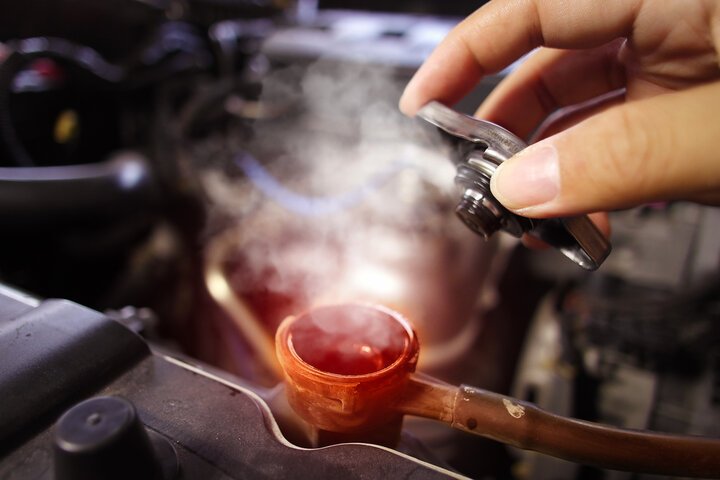
Your car’s radiator plays a critical role in keeping the engine cool and running efficiently. When it starts to fail, it can lead to overheating, engine damage, and expensive repairs. Recognizing the early warning signs that your car needs a new radiator can save you from unexpected breakdowns and costly fixes.
In this blog, we’ll explore the most common symptoms of radiator failure, why they occur, and what you should do to keep your vehicle in top condition.
What Does a Radiator Do?
The radiator is a vital component of your car’s cooling system. It helps regulate engine temperature by circulating coolant and dissipating heat generated during combustion. Without a properly functioning radiator, your engine can overheat quickly, leading to serious mechanical issues.
1. Engine Overheating Frequently
One of the most obvious signs of a failing radiator is engine overheating. If your temperature gauge consistently rises above normal levels, it may indicate that the radiator is not effectively cooling the engine.
Common causes include:
Blocked coolant flow
Internal corrosion
Leaking coolant
Ignoring this issue can result in severe engine damage, including a blown head gasket.
2. Coolant Leaks Under the Vehicle
If you notice green, orange, or pink fluid pooling under your car, it could be a coolant leak. Radiators can develop cracks or corrosion over time, causing coolant to escape.
Signs of a leak:
Puddles under the front of the car
Low coolant levels
Sweet smell from the engine bay
A leaking radiator reduces cooling efficiency and must be addressed immediately.
3. Rust or Corrosion on the Radiator
Over time, radiators can develop rust and corrosion due to constant exposure to heat and moisture. This weakens the structure and can lead to leaks or blockages.
Look for:
Visible rust on the radiator surface
Discoloration or flaking metal
Deposits around connections
Corrosion is a clear sign that your radiator may need replacement rather than repair.
4. Sludge in the Coolant
Healthy coolant is usually bright and clear. If it appears thick, rusty, or contaminated, it could indicate internal damage within the radiator.
Sludge buildup can:
Block coolant flow
Reduce heat transfer efficiency
Cause engine overheating
This is often a sign that the radiator is deteriorating internally.
5. Low Coolant Levels Frequently
If you find yourself constantly refilling coolant, there may be a hidden issue with your radiator. Even small leaks or evaporation caused by overheating can lead to consistently low levels.
Frequent coolant loss indicates:
Internal leaks
Faulty radiator components
Pressure system failure
This should never be ignored, as it can quickly escalate into major engine problems.
6. Discolored or Dirty Radiator Fins
The radiator fins help dissipate heat, but dirt, debris, and grime can clog them over time. When airflow is restricted, the radiator cannot cool the engine effectively.
Warning signs include:
Visible dirt buildup
Bent or damaged fins
Reduced cooling performance
Cleaning may help temporarily, but severe damage often requires replacement.
7. Sweet Smell from the Engine
A sweet, syrup-like smell coming from your engine area usually indicates a coolant leak. This smell occurs when coolant evaporates due to heat.
If you notice this odor, it’s important to inspect your radiator and cooling system immediately to prevent further damage.
8. Steam Coming from the Engine
Steam coming from under the hood is a serious warning sign that your engine is overheating. This often happens when coolant is leaking or the radiator is no longer functioning properly.
If you see steam:
Pull over immediately
Turn off the engine
Allow it to cool before checking
Continuing to drive can cause irreversible engine damage.
9. Faulty Radiator Cap
While often overlooked, the radiator cap plays a crucial role in maintaining proper pressure within the cooling system. A damaged or loose cap can lead to coolant loss and overheating.
Symptoms include:
Coolant overflow
Air entering the system
Inconsistent temperature levels
Replacing the cap may help, but if issues persist, the radiator itself could be failing.
10. Poor Heater Performance
Your car’s heater relies on the cooling system to function properly. If the radiator is not circulating coolant efficiently, you may notice weak or inconsistent heating inside the cabin.
This can indicate:
Blocked radiator passages
Low coolant levels
System inefficiencies
It’s another sign that your radiator needs attention.
Why Immediate Action Is Important
Delaying radiator replacement can lead to severe engine damage, including:
Warped engine components
Blown head gasket
Complete engine failure
Addressing radiator issues early helps you avoid costly repairs and ensures your vehicle remains safe and reliable.
How to Prevent Radiator Problems
While some wear and tear is unavoidable, regular maintenance can extend the life of your radiator.
Tips include:
Checking coolant levels regularly
Flushing the cooling system periodically
Inspecting for leaks and corrosion
Keeping radiator fins clean
Preventive care goes a long way in maintaining your vehicle’s performance.
When Should You Replace Your Radiator?
If your radiator shows multiple signs of failure, replacement is often the best solution. Repairs may provide temporary relief, but a damaged radiator can continue to cause problems over time.
Consider replacement if:
The radiator is over 8–10 years old
You experience frequent overheating
There are visible leaks or corrosion
Maintenance costs keep increasing
A new radiator ensures optimal cooling and long-term reliability.
Conclusion
Your car’s radiator is essential for maintaining engine health and performance. Recognizing the warning signs of failure—such as overheating, leaks, corrosion, and coolant issues—can help you take action before serious damage occurs.
If you notice any of these symptoms, don’t wait until your vehicle breaks down. Seek professional assistance to diagnose and fix the problem promptly. For reliable and convenient service, Roberts Mobile Mechanics can help keep your car running smoothly and safely.
FAQs
1. How do I know if my radiator needs replacing?
Common signs include frequent overheating, coolant leaks, rust, and sludge buildup in the coolant.
2. Can I drive with a bad radiator?
It’s not recommended. Driving with a faulty radiator can cause severe engine damage and costly repairs.
3. How long does a car radiator last?
Most radiators last between 8 to 10 years, depending on maintenance and driving conditions.
4. What causes radiator failure?
Common causes include corrosion, leaks, clogged passages, and lack of proper maintenance.
5. Is it expensive to replace a radiator?
Costs vary by vehicle, but replacing a radiator is much cheaper than repairing engine damage caused by overheating