
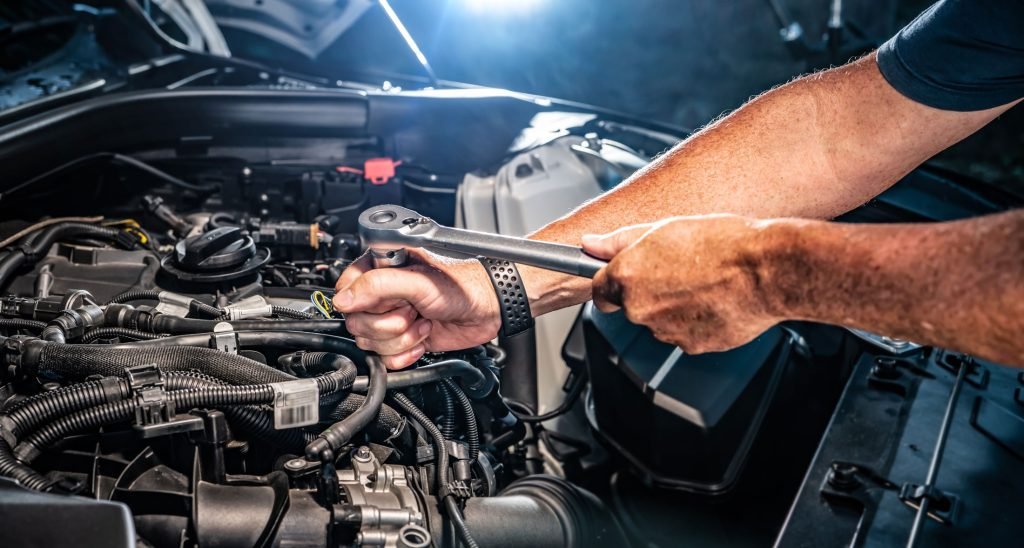
Modern vehicles rely on sophisticated computer systems to monitor engine performance, fuel efficiency, emissions, transmission operation, and dozens of other components. When something goes wrong, your vehicle’s onboard computer records a fault code and often illuminates the check engine light. While many drivers continue driving, assuming the issue is minor, ignoring these warning signs can lead to expensive repairs or unexpected breakdowns.
Fortunately, today’s vehicle owners don’t always need to tow their cars to a repair shop for answers. Mobile vehicle diagnostics allow certified technicians to inspect your car wherever it’s located—at home, work, or on the roadside. Using advanced diagnostic equipment, they can quickly identify the cause of warning lights, poor performance, or starting problems and recommend the appropriate repairs.
For busy drivers in Nashville, TN, mobile diagnostic services offer a convenient, time-saving alternative to traditional repair shops.
What Is Mobile Vehicle Diagnostics?
Mobile vehicle diagnostics is a professional service where an experienced mechanic travels to your location and uses advanced scan tools to communicate with your vehicle’s onboard computer system.
These tools retrieve diagnostic trouble codes (DTCs), monitor live engine data, and evaluate the performance of various systems, including the engine, transmission, braking system, emissions controls, fuel delivery, and electrical components.
Rather than guessing what’s wrong, technicians use real-time data to identify the source of the problem accurately.
How Modern Vehicle Diagnostic Systems Work
Nearly every vehicle manufactured after 1996 includes an OBD-II (On-Board Diagnostics) system.
This computer continuously monitors important vehicle components such as:
- Engine performance
- Fuel injection
- Ignition system
- Oxygen sensors
- Emission controls
- Transmission operation
- Battery voltage
- Cooling system
When the system detects abnormal operation, it stores a fault code that helps technicians pinpoint the issue.
Common Problems Mobile Diagnostics Can Detect
Professional diagnostic equipment identifies a wide range of automotive problems before they become serious.
Some of the most common issues include:
- Check engine light warnings
- Engine misfires
- Battery charging problems
- Alternator failure
- Starter issues
- Transmission faults
- Oxygen sensor failures
- Fuel system problems
- Ignition coil failures
- Electrical system malfunctions
Early diagnosis reduces repair costs and helps prevent unexpected breakdowns.
Signs Your Vehicle Needs Diagnostic Testing
Many vehicle problems develop gradually before complete failure occurs.
Watch for these warning signs:
- Illuminated check engine light
- Reduced fuel economy
- Rough idling
- Slow acceleration
- Hard starting
- Stalling
- Unusual engine noises
- Dashboard warning lights
- Transmission shifting problems
- Excessive exhaust smoke
Prompt diagnostic testing helps identify the underlying issue before it worsens.
Benefits of Mobile Vehicle Diagnostics
Mobile diagnostic services provide several advantages over traditional repair shop visits.
Convenience
Instead of arranging transportation or waiting at a repair facility, the technician comes directly to your location.
This saves valuable time and minimizes disruptions to your schedule.
Faster Problem Identification
Professional diagnostic tools quickly retrieve fault codes and analyze vehicle data.
This eliminates unnecessary guesswork during the repair process.
Lower Repair Costs
Finding problems early often prevents additional damage.
Small repairs today may help avoid expensive component replacements later.
Reduced Towing Expenses
Many vehicles experiencing warning lights or starting problems can be diagnosed without towing them to a repair shop.
Accurate Repairs
Modern scan tools help technicians identify the root cause instead of replacing parts unnecessarily.
Accurate diagnosis improves repair efficiency.
The Mobile Diagnostic Process
Professional mobile diagnostics follow a systematic approach to ensure reliable results.
Initial Vehicle Assessment
The technician begins by discussing:
- Warning lights
- Recent symptoms
- Driving conditions
- Previous repairs
- Maintenance history
This information helps guide the inspection.
Computer Scan
A professional scan tool connects to the vehicle’s onboard diagnostic port.
The technician retrieves:
- Stored fault codes
- Pending codes
- Freeze-frame data
- Live sensor readings
These readings provide valuable insight into system performance.
Visual Inspection
Computer diagnostics are often combined with a physical inspection.
Technicians examine:
- Wiring
- Hoses
- Belts
- Battery connections
- Fluid levels
- Engine components
Visual confirmation helps verify electronic findings.
System Testing
When necessary, additional testing evaluates specific systems such as:
- Charging system
- Fuel pressure
- Ignition components
- Battery health
- Cooling system
This ensures an accurate diagnosis.
Repair Recommendations
Once testing is complete, the technician explains the findings and recommends the appropriate repair options.
Why the Check Engine Light Should Never Be Ignored
The check engine light is one of the most misunderstood dashboard warnings.
Although some issues are minor, others may indicate serious mechanical problems.
Possible causes include:
- Loose fuel cap
- Faulty oxygen sensor
- Catalytic converter issues
- Ignition problems
- Fuel injector faults
- Mass airflow sensor failure
Ignoring warning lights can increase repair costs over time.
Common Components Evaluated During Diagnostics
A complete vehicle diagnostic inspection may include evaluation of:
- Engine control module
- Transmission control module
- Battery
- Alternator
- Starter
- Fuel injectors
- Spark plugs
- Sensors
- Emission system
- Cooling system
Comprehensive testing improves repair accuracy and vehicle reliability.
Preventive Maintenance Helps Avoid Major Repairs
Routine maintenance reduces the likelihood of unexpected warning lights and costly repairs.
Recommended maintenance includes:
- Oil changes
- Battery inspections
- Brake inspections
- Fluid checks
- Air filter replacement
- Spark plug replacement
- Tire maintenance
- Cooling system service
Preventive maintenance supports overall vehicle performance and longevity.
Why Mobile Diagnostics Save Busy Drivers Time
Many people struggle to schedule appointments at traditional repair shops.
Mobile services eliminate:
- Waiting rooms
- Vehicle drop-offs
- Transportation arrangements
- Lost work hours
Professional diagnostics can often be completed while you’re at home or work.
Choosing the Right Mobile Mechanic
Selecting an experienced technician ensures accurate diagnosis and dependable service.
Look for providers offering:
- Certified mechanics
- Advanced diagnostic equipment
- Transparent pricing
- Positive customer reviews
- Mobile repair experience
- Prompt response times
- Honest recommendations
A qualified technician focuses on identifying the actual problem rather than simply replacing parts.
How Early Diagnostics Protect Your Vehicle
Addressing warning lights quickly helps prevent:
- Engine damage
- Transmission failures
- Poor fuel economy
- Unexpected breakdowns
- Expensive emergency repairs
- Reduced vehicle reliability
Routine diagnostic testing keeps your vehicle running safely and efficiently.
Conclusion
Mobile vehicle diagnostics provide a fast, convenient, and accurate way to identify automotive problems without visiting a repair shop. Using advanced diagnostic technology, experienced technicians can evaluate your vehicle’s computer systems, detect hidden issues, and recommend the right repairs before small problems become major expenses. Whether you’re dealing with a warning light, performance concerns, or starting issues, early diagnosis helps extend the life of your vehicle while reducing repair costs. For dependable mobile diagnostic services delivered directly to your location, drivers can rely on Roberts Mobile Mechanics.
Frequently Asked Questions
1. What is mobile vehicle diagnostics?
Mobile vehicle diagnostics is a service where a professional mechanic comes to your location and uses specialized diagnostic equipment to identify issues with your vehicle’s computer systems and components.
2. Can mobile diagnostics determine why my check engine light is on?
Yes. Diagnostic scan tools retrieve fault codes and live vehicle data, allowing technicians to identify the most likely cause of the check engine light and recommend appropriate repairs.
3. How long does a diagnostic service usually take?
Most mobile diagnostic appointments take between 30 and 60 minutes, depending on the complexity of the issue and any additional testing required.
4. Can all vehicle problems be diagnosed with a scan tool?
Not always. While scan tools identify many electronic and performance issues, technicians often combine computer diagnostics with visual inspections and mechanical testing for a complete diagnosis.
5. Why should I choose mobile vehicle diagnostics?
Mobile diagnostics save time, reduce towing expenses, provide convenient on-site service, identify problems accurately, and help prevent more expensive repairs by catching issues early.